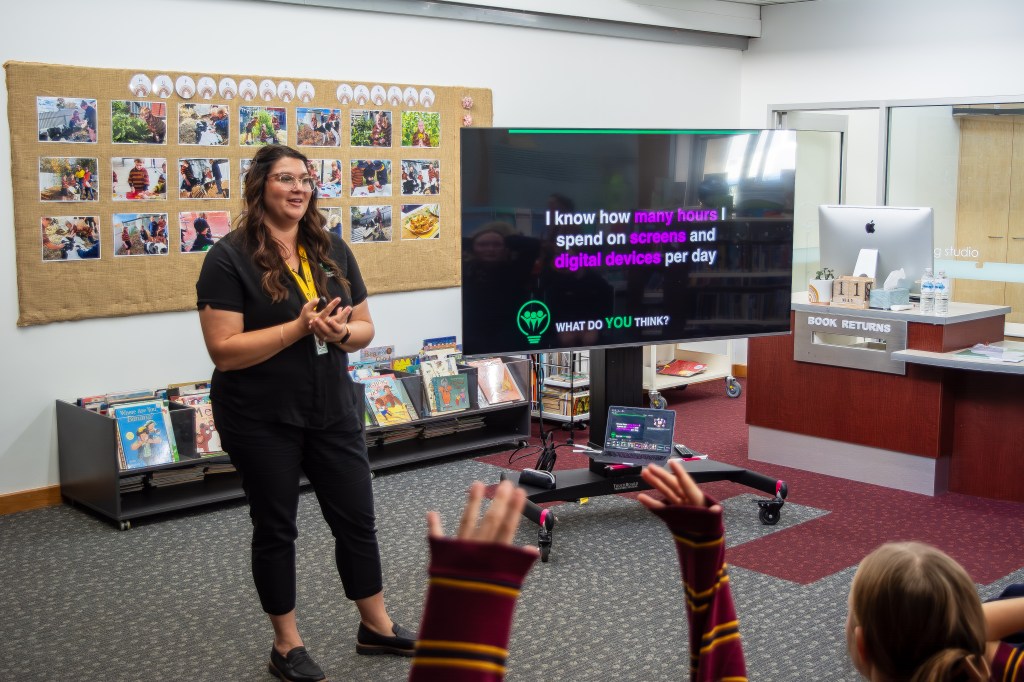
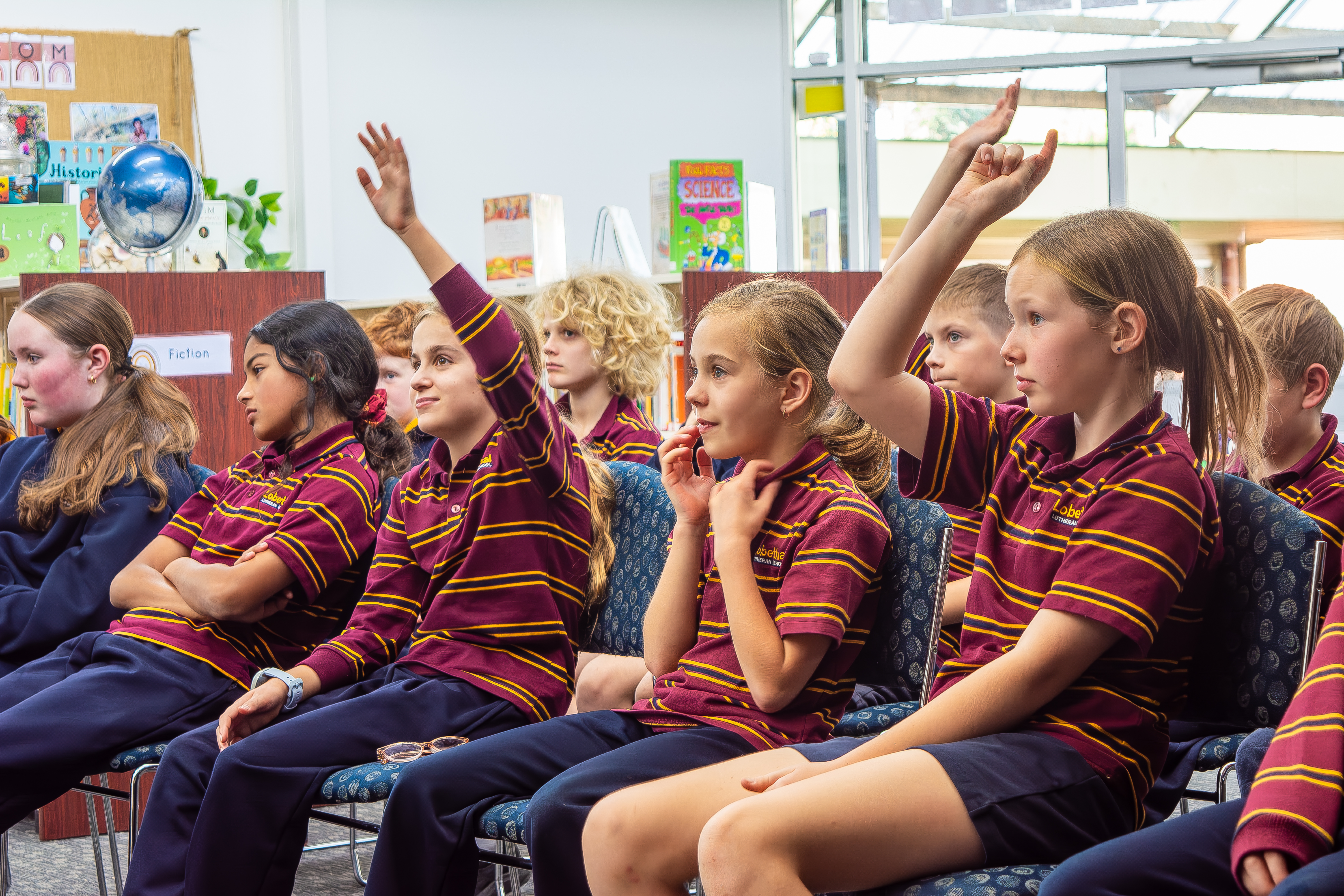
There was a moment this past week, sitting with our Year 5 and 6 students, that stopped me.
A simple question had been asked:
“How do we look after ourselves?”
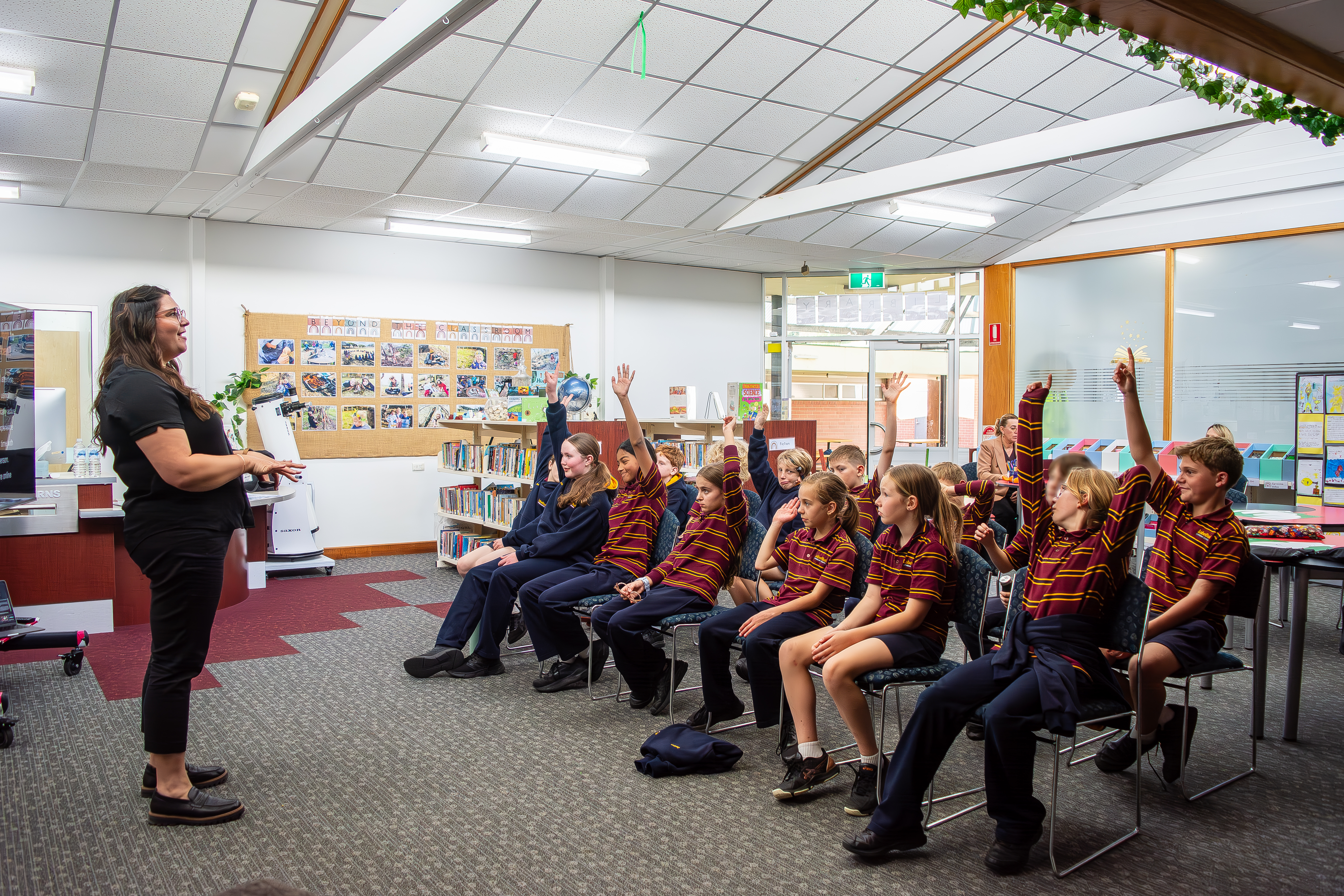
Hands shot up straight away.
“Eat healthy food.”
“Exercise.”
“Get good sleep.”
They knew this. Instinctively.
But then came the pause… and the next question:
“How do we look after ourselves when we’re using screens?”
What struck me most wasn’t what the students didn’t know – it was what they did.
They spoke honestly about scrolling and how hard it can be to stop, that sometimes they choose a screen over playing with friends and they described feeling tired, distracted, even a bit “off” after too much time online.
One student simply said: “You just keep going… and you don’t even realise.”
And I think, if we’re honest, most of us could say the same.
This Isn’t a “Kids Problem”
This isn’t about blaming young people, the reality is, technology has been designed to keep us engaged.
Scrolling doesn’t end.
Videos play automatically.
Notifications pull us back in.
There’s no natural stopping point anymore – and without that pause, time slips.
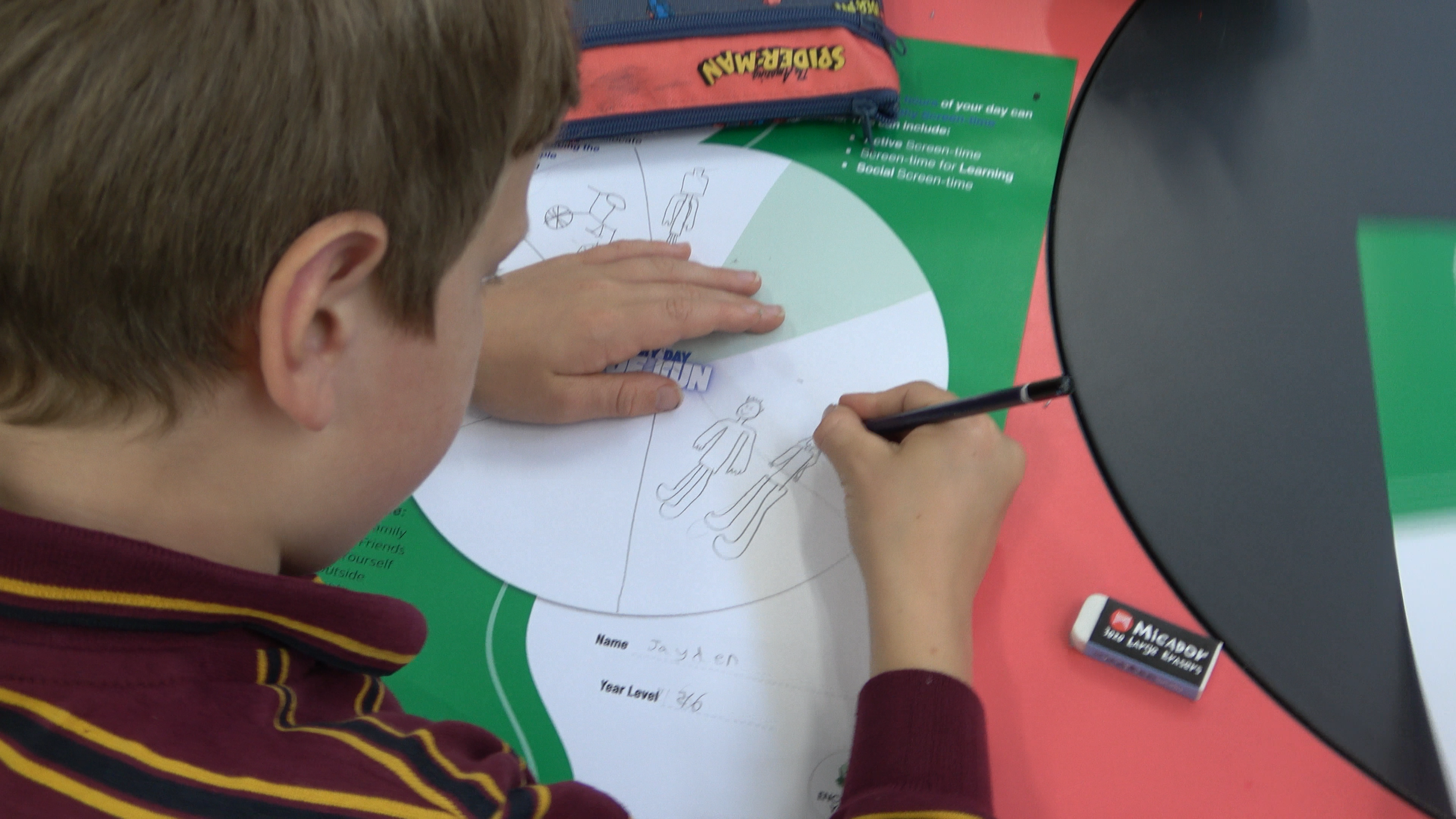
For many young people, that can mean hours each day on screens… often at the cost of rest, connection and balance, not in one dramatic moment, but slowly, over time. At one point, the students were asked: “What else could you do with 7 hours?”
The answers came quickly:
- Go for a walk
- Play sport
- Read
- Cook
- Be outside
And then one student said: “You could climb a mountain.” And suddenly, it wasn’t about restriction, it was about opportunity. This was perhaps the most powerful shift in thinking. Because when we talk about reducing screen time, the fear is always the same – “But they’ll be bored.”
And yes- they will. But here’s the reframing:
Boredom is where creativity begins.
When we allow space, young people imagine, problem-solve, create and think deeply. Without that space, something important gets crowded out. Screens don’t just fill time – they replace it.
The Goal Isn’t Less Screen Time. It’s Better Screen Time.
This is not about removing technology. It’s about helping young people use it in ways that support their wellbeing.
The framework shared with students was simple – and powerful:
* Keep it SOCIAL
Screens work best when they bring people together.
Watch a movie as a family.
Play a game side by side.
Call someone you love.
When screens replace connection, that’s when we pause.
* Keep it ACTIVE
Not all screen time has to be still.
Dance games.
Movement-based play.
Interactive activities.
If the body is moving, the brain benefits too.
* Keep it INTENTIONAL
Use screens with purpose.
Learn something.
Create something.
Find something meaningful.
If we don’t know why we’re using it, we’re probably just drifting.
* Keep it HEALTHY
This is where the boundaries matter.
Aim for balance (around 2 hours of recreational screen time outside school)
Build breaks into the day
Protect sleep
Switch off screens at least an hour before bed
Small limits = big impact.
*The Quiet Impact of Night-Time Screens
One of the strongest messages – for students and adults – was about sleep.
Screens before bed:
Keep the brain alert
Disrupt sleep cycles
Reduce deep, restorative rest
And tired brains struggle.
They struggle with focus, emotions, learning and relationships.
It’s not about one late night here or there.
It’s about patterns.
Walking Alongside Our Children
What I loved most about the session was the honesty.
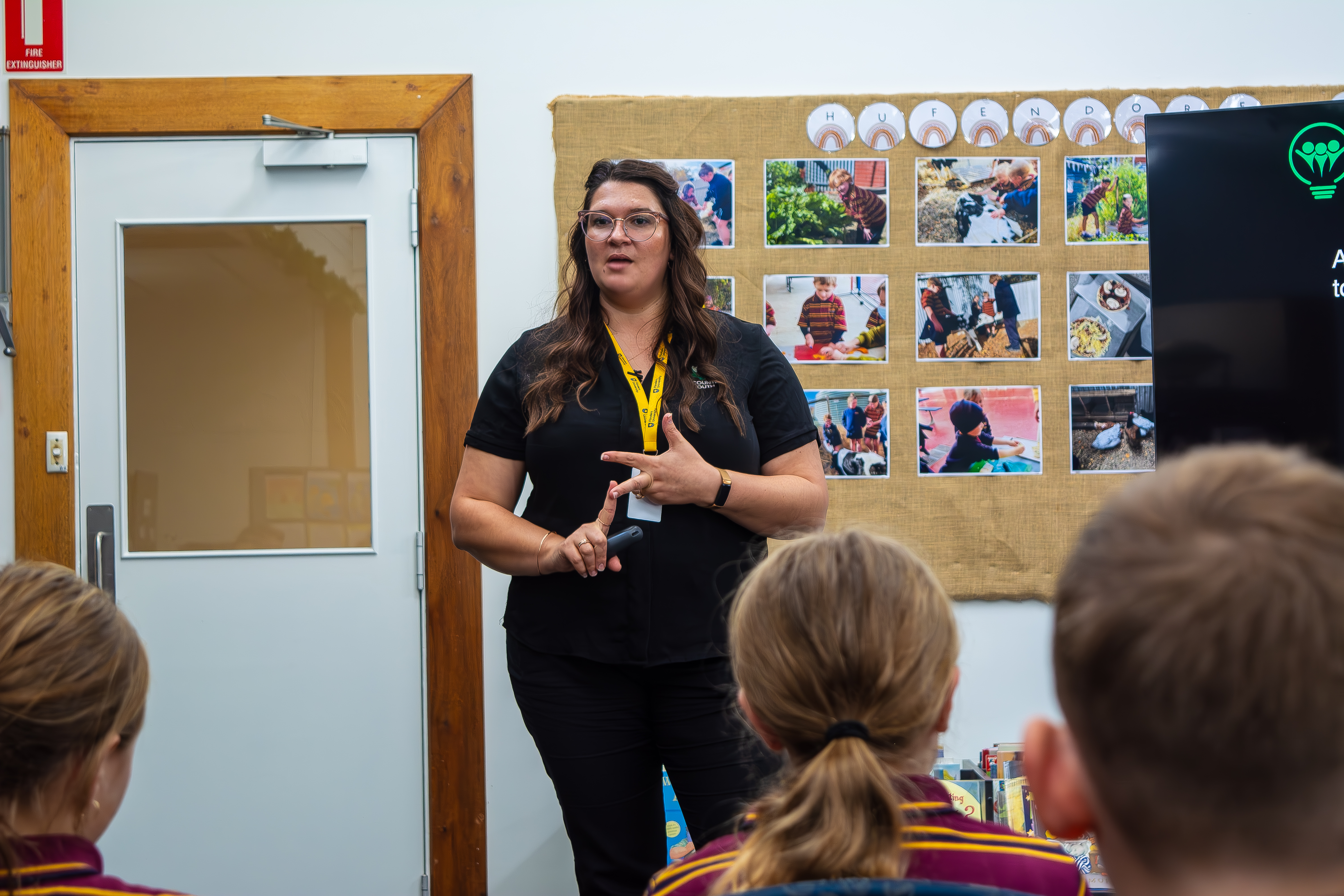
The presenter shared that it took them a whole year to get their phone out of their bedroom at night.
A whole year! Because this is hard! For all of us!
So perhaps the message isn’t, “Get it right.” Perhaps the message is:
“Let’s get better… together.”
Practical Ways to Start at Home
No big overhaul needed. Just small, steady shifts:
Create tech-free times (meals, before bed)
Keep devices out of bedrooms overnight
Set clear, calm expectations
Use screens together sometimes
Model what healthy use looks like
Give children permission to be bored
And most importantly:
Keep talking. (Not lecturing. Not policing. Just talking.)
The Message We Want Our Children to Hold Onto
At the end of the session, students were reminded:
Look after yourself.
Look after your friends.
You have the power to choose.
It’s simple. But it’s everything. Because this isn’t really about screens.
It’s about helping our young people live full, connected, healthy lives – where technology is part of the picture…
…but never the whole story.
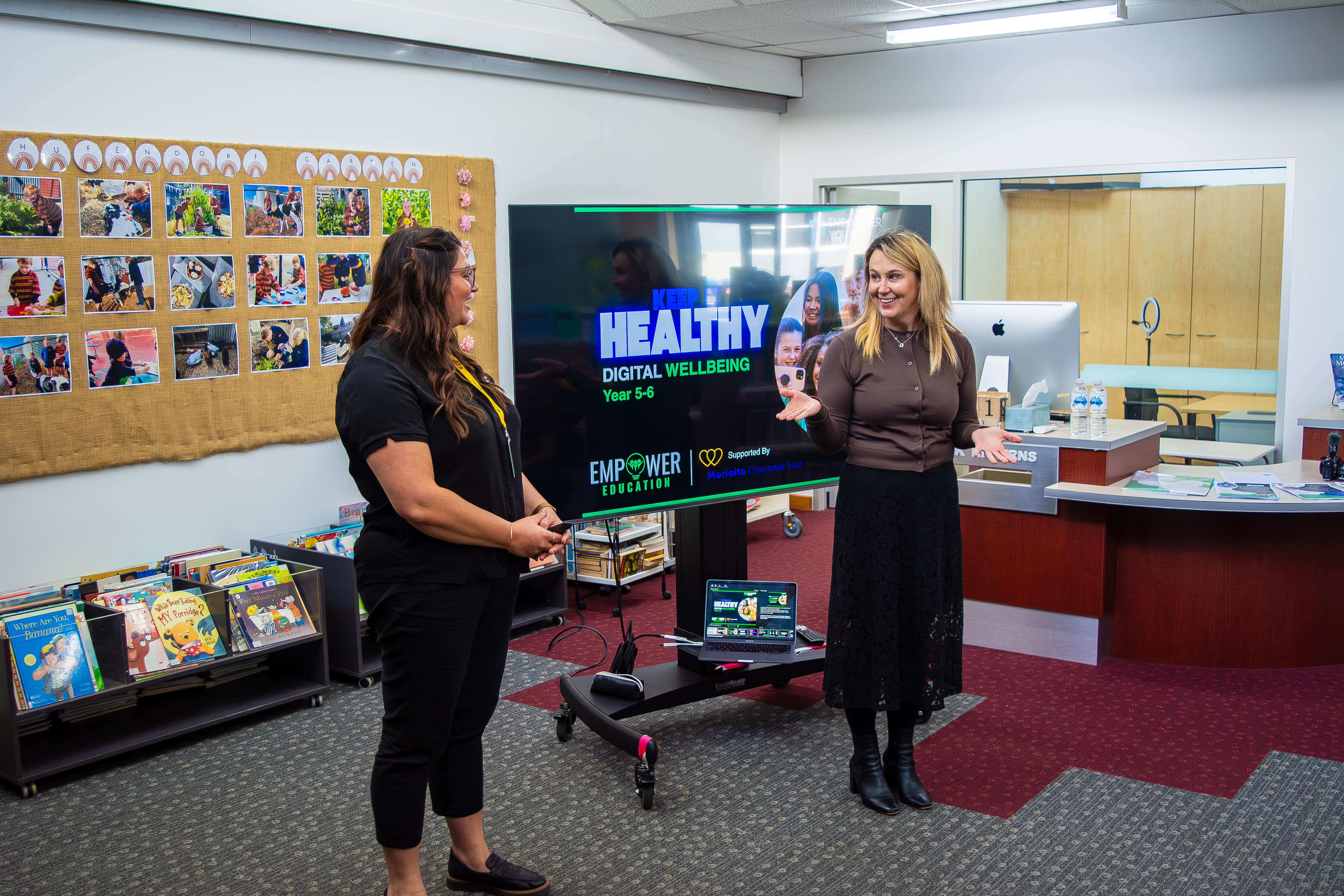
We are incredibly grateful to Encounter Youth, and especially to Sondra, for delivering such an engaging and meaningful session for our students. Her ability to connect so naturally with the children created a space where they felt safe to be honest, reflective and open to learning.
The session struck a wonderful balance – practical, relatable and empowering. It wasn’t about fear or restriction, but about helping young people understand how screens impact their brains and giving them simple, achievable ways to make healthy choices.
This kind of learning feels not just helpful, but necessary. In a world where screens are part of daily life, our children need guidance, language and confidence to navigate it well – and this session did exactly that.
We are so thankful for the partnership and the important conversations it has sparked across our school community.


Leave a Reply