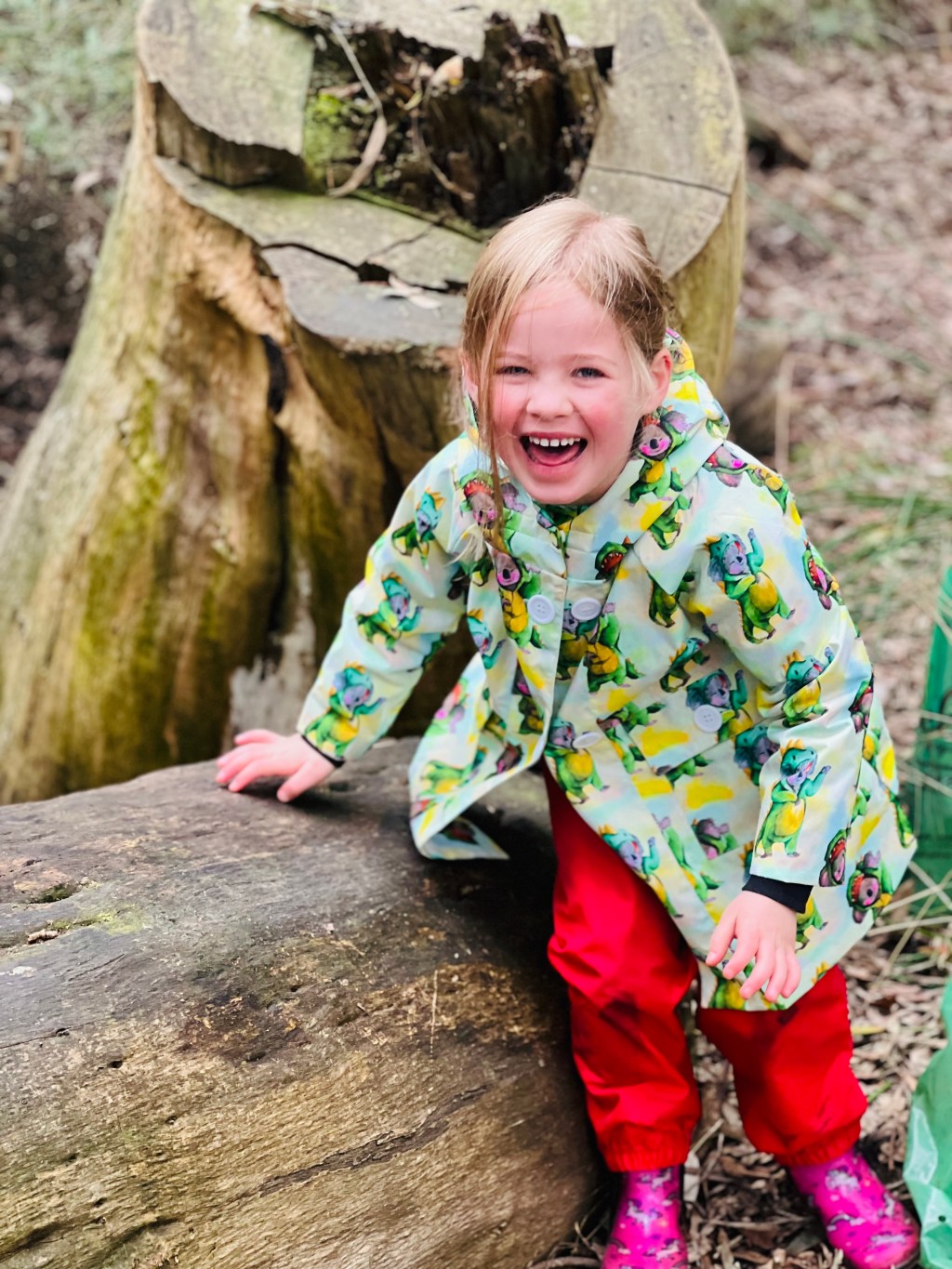
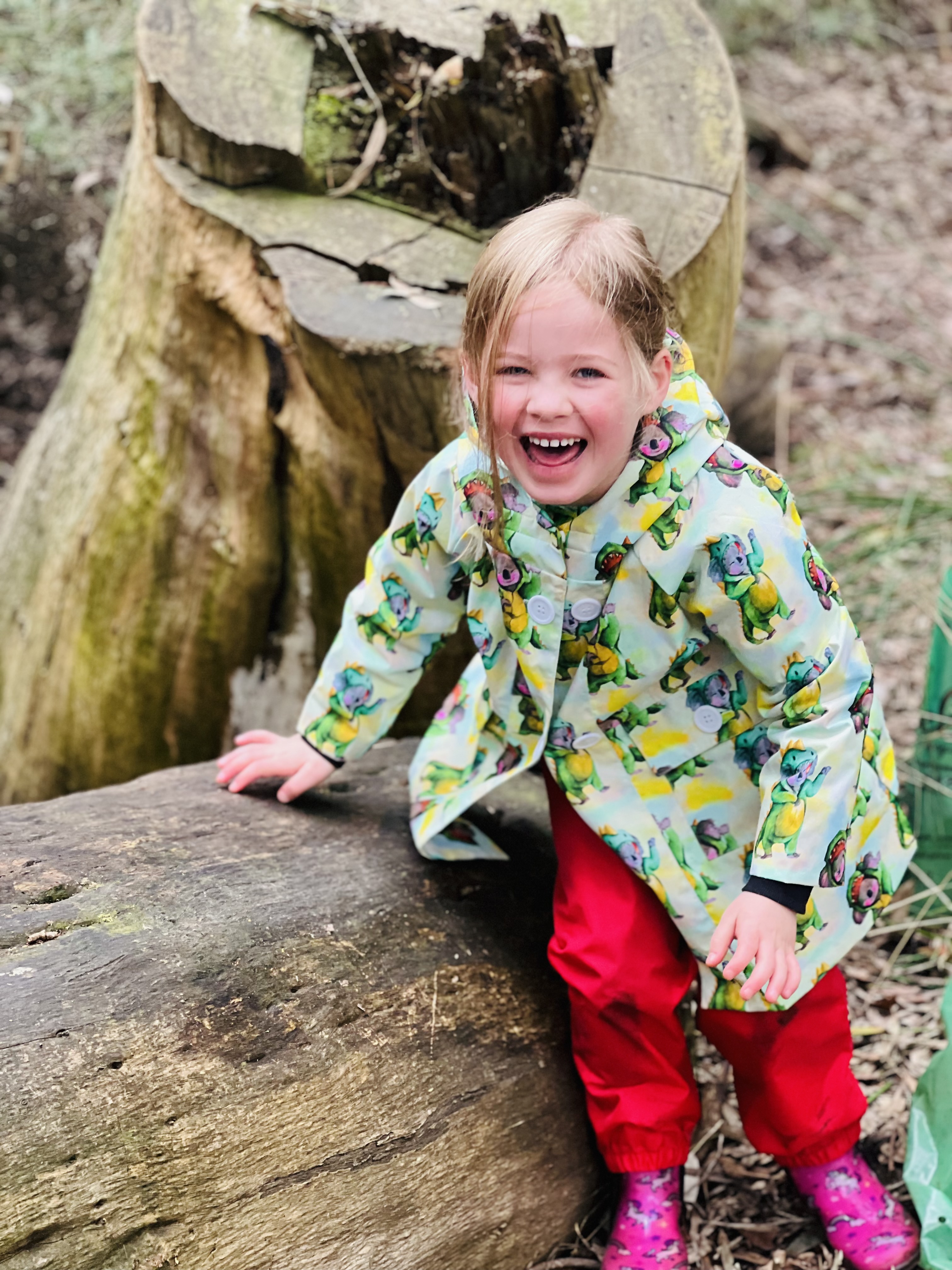
At the heart of our Beyond Outdoor Learning program at Lobethal Lutheran School is nature play – unstructured exploration where children imagine, create, and collaborate. Through these experiences, we nurture a generation of thoughtful, environmentally conscious individuals who learn to respect and protect the world around them.
Neuroscientific research continues to confirm what we, as educators and play advocates, have always known – play is fundamental to learning and development. As play researcher Dr. Stuart Brown states, “We are built to play, and built through play.”
In my work as an outdoor learning educator, I see firsthand how nature play fosters engagement, curiosity, and resilience in children. Yet, despite the overwhelming benefits, play too often takes a backseat once children leave early childhood education. The push for structured learning and measurable outcomes can leave little room for exploration, creativity, and the kind of deep learning that nature play facilitates.
How Nature Play Builds Brains
Brain development follows a sequential process, growing from the bottom up. Neuroscientist Bruce Perry explains this through the Neurosequential Model of the Brain, which outlines four key areas:
- Brain Stem – The foundation, responsible for survival functions (breathing, heart rate, arousal).
- Cerebellum – Controls movement, balance, and coordination.
- Limbic System – The emotional center, crucial for relationships, social bonding, and memory formation.
- Neocortex – The ‘thinking brain’ responsible for reasoning, problem-solving, and reflection.
We can think of the brain like a house. The lower levels provide stability, while the upper levels allow for complex functions. If the foundation isn’t strong, expecting children to engage in higher-level thinking without adequate support is like expecting a house to stand without a solid base.
The Problem: Play Disappears Too Soon
Despite strong evidence supporting play-based learning, many educators struggle to justify its inclusion beyond the early years. Piaget, Vygotsky, and Dewey all emphasized the connection between play and learning, yet there remains a disconnect in the way education systems prioritise academic learning over play.
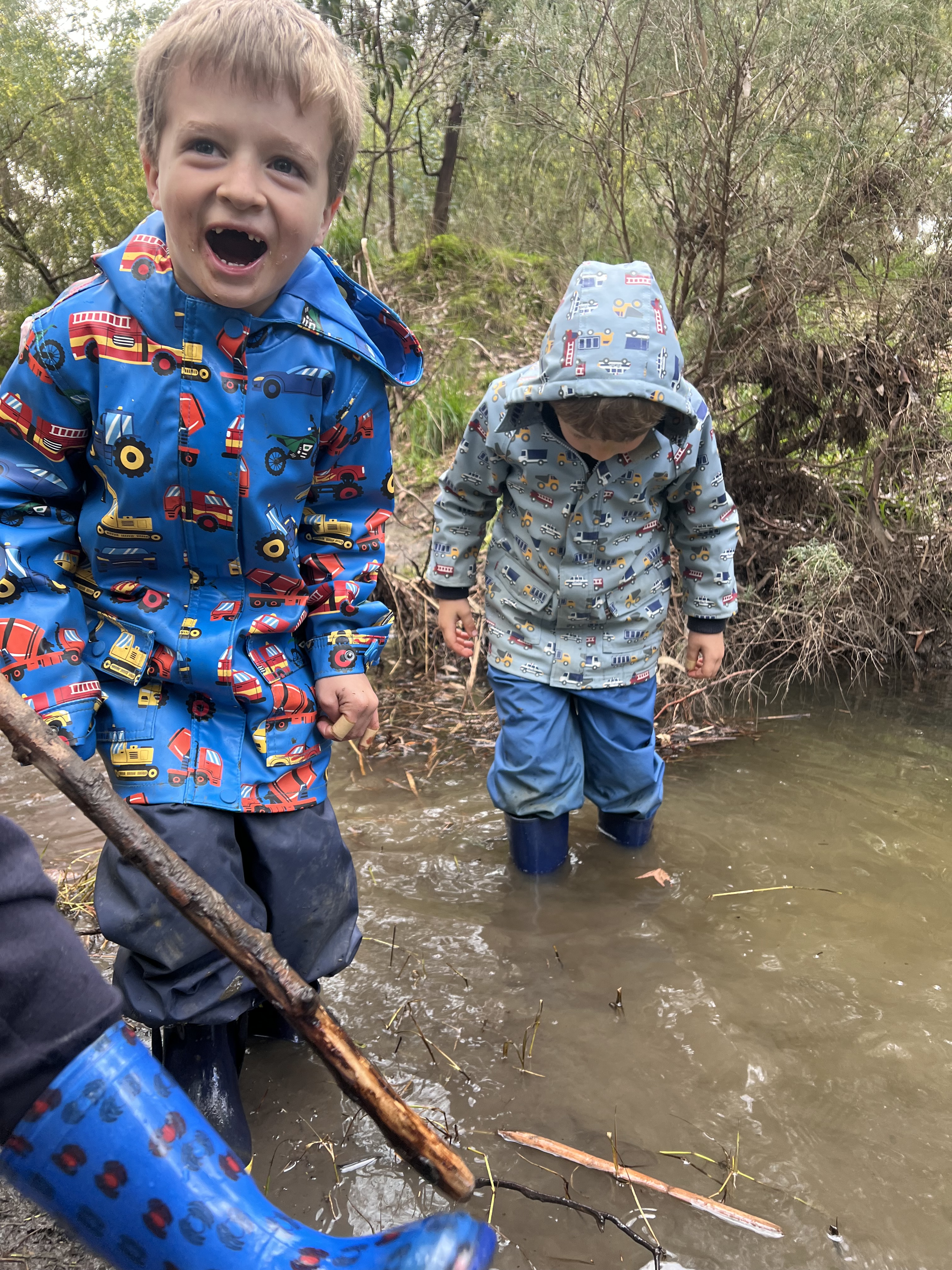
Through Beyond Outdoor Learning, we ensure that nature play remains central to children’s development at Lobethal Lutheran School. Nature provides the perfect environment for children to engage in self-directed learning, build resilience, and strengthen their cognitive and social skills. When children climb trees, build shelters, or explore local flora and fauna, they are engaging in rich, multi-sensory experiences that strengthen neural pathways and deepen their understanding of the world.
My Experience: Learning Through Nature Play
I learned this lesson early in my teaching career. I worked with a class where many students had difficulties with emotional and physical regulation. My attempts at reasoning and explaining didn’t work because they weren’t developmentally ready for those conversations. So, I took a different approach—I played with them outdoors. I encouraged them to build cubbies, dig in the dirt, and create nature-based stories. Without realising it at the time, I was supporting their brain development in a way that made sense to them. The result? Calmer, happier, and more connected children.
The Solution: Keeping Nature Play at the Centre
To support brain development, we must advocate for more nature play in education. Through Beyond Outdoor Learning, we provide the space, time, and freedom for children to develop in a way that is natural to them. When children engage in hands-on outdoor play, they are not just playing—they are developing resilience, creativity, and a deep appreciation for the environment.
Let’s push back against the misconception that play is only for the early years. Let’s fight for more time, space, and freedom for children to explore, connect, and develop at their own pace. If we want to raise resilient, creative, and capable learners, we must first give them the gift of nature play.
 FromtheForest
Leave a comment