Frustration in the Classroom What It Teaches Us About Student Wellbeing
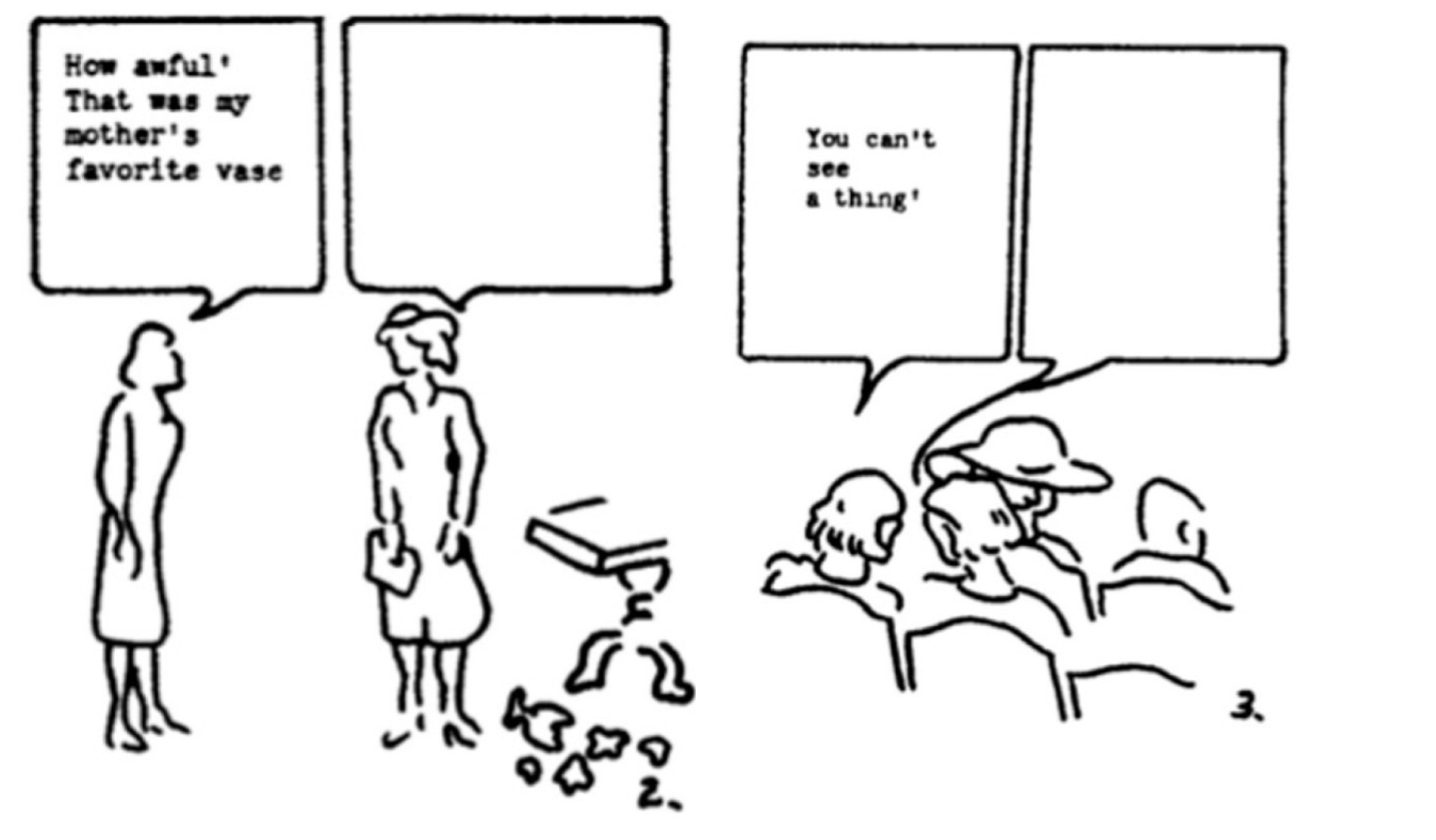
So – a tall person sits in front of you in the movies. One person responds with, “Don’t worry, I’m sure you didn’t mean it.” Another snaps back, “What’s wrong with you?”
Same incident. Wildly different reactions. But why?
In 1934, psychologist Saul Rosenzweig created a unique test – he showed people cartoons of frustrating situations and asked how they’d respond. What he discovered speaks to the heart of our human experience – how we view ourselves shapes how we handle life’s storms.
He believed the key lies in our self esteem.
When we deeply believe we are worthy, life’s frustrations feel like accidents – just part of the journey. When we secretly doubt ourselves, every setback feels personal, like proof we’re not good enough.
Frustration : A Hidden Teacher in the Classroom
In schools, frustration shows up daily:
A student struggling with a math problem
A friendship conflict on the playground
A teacher feeling overwhelmed by competing demands
Frustration isn’t the enemy – it’s a clue. A sign that something deeper is happening.
Psychologist Saul Rosenzweig showed us that frustration reveals our self beliefs.
Students who feel secure might think, “This is hard, but I’ll figure it out.”
Students with fragile self-esteem might spiral into, “I’m just not good at this,” or lash out with, “This is stupid!”
Neither reaction is “wrong.” They’re both messages – signs of where a child might need support, not just academically, but emotionally and spiritually.
At Lobethal Lutheran School, a Christian community rooted in faith, we know this isn’t just psychological – it’s spiritual. Our true identity isn’t found in achievements or mistakes. It’s anchored in the truth that we are “fearfully and wonderfully made” (Psalm 139:14). When we hold onto that, life’s frustrations lose their sting.
But what if we don’t feel that way? Here’s the good news : we can change. Through self awareness, reflection, and leaning into God’s grace, we can rewrite the stories shaped by our past. It’s not about ignoring frustration – it’s about transforming it through a lens of love, growth, and purpose.
How Can We Support Students Through Frustration?
Instead of trying to eliminate frustration (impossible, right?), what if we taught students how to grow through it?
Normalise Frustration: Talk about it. Share stories of people who grew through failure.
Model Healthy Responses:“That didn’t go as planned. I’m frustrated, but I’ll take a breath and try again.”
Shift the Focus: Instead of “Did you get it right?” ask, “What did you learn?”
Anchor Identity in Christ: Remind students that their worth isn’t tied to performance. They’re loved and valued because they’re God’s creation.
Growth Isn’t Linear (And That’s Okay)
Frustration isn’t something to avoid – it’s part of learning, part of life. It’s where real growth happens.
When students learn that frustration isn’t a sign of failure but an opportunity to grow, they don’t just become better learners. They become more resilient, more confident, and more secure in who they are – both as individuals and as beloved children of God.

 FromtheForest
Leave a comment