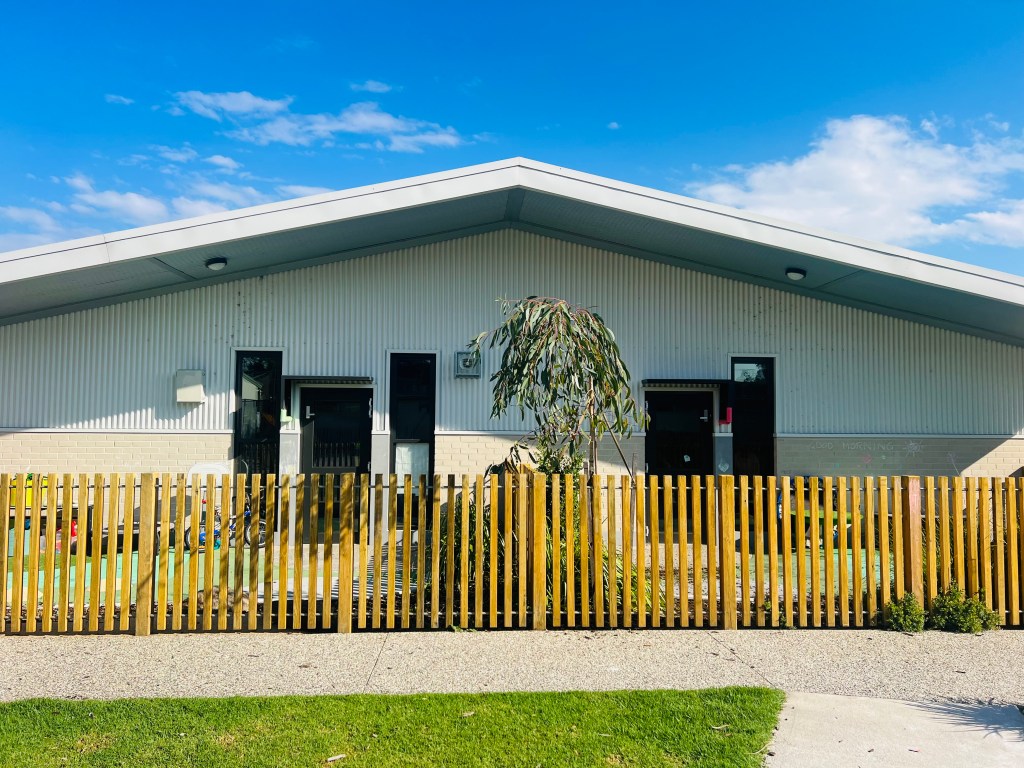
I recently had the opportunity Niddrie Autism School. It was a pleasure to visit the space, what stood out was the careful consideration given to both architectural design and pedagogy.
The primary objective of the school is to aid students on the autism spectrum in transitioning back into mainstream schools. The early learning area was designed to promote engagement and foster individual participation, achieving a delicate balance between group learning spaces and private retreat zones for students who require focused care or feel overwhelmed.
The flexibility of classrooms, resource rooms, multi-purpose spaces, and auxiliary areas were also incorporated into the design to adapt to future student and staff requirements. The design prioritised student safety and comfort, featuring a central access point, sensory support spaces, and nature play areas. Passive supervision was emphasised throughout the design, with small classroom groups and one-on-one intensive learning opportunities offered to maximise student support.
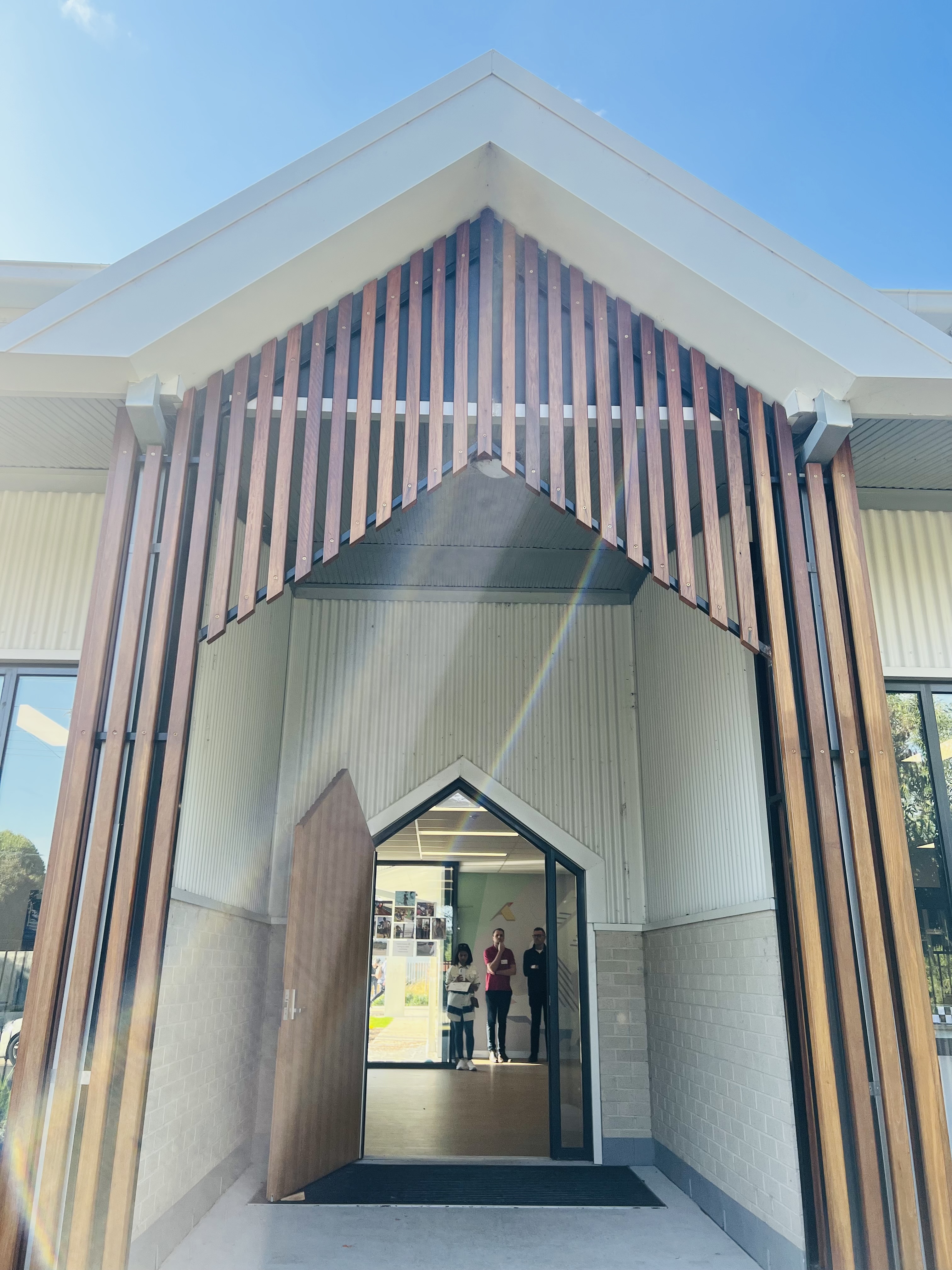
The school was designed to provide sensory-friendly spaces that minimise sensory overload for students with autism. The use of muted colours, soft lighting, and soundproofing helped to minimise noise and create a calming environment.
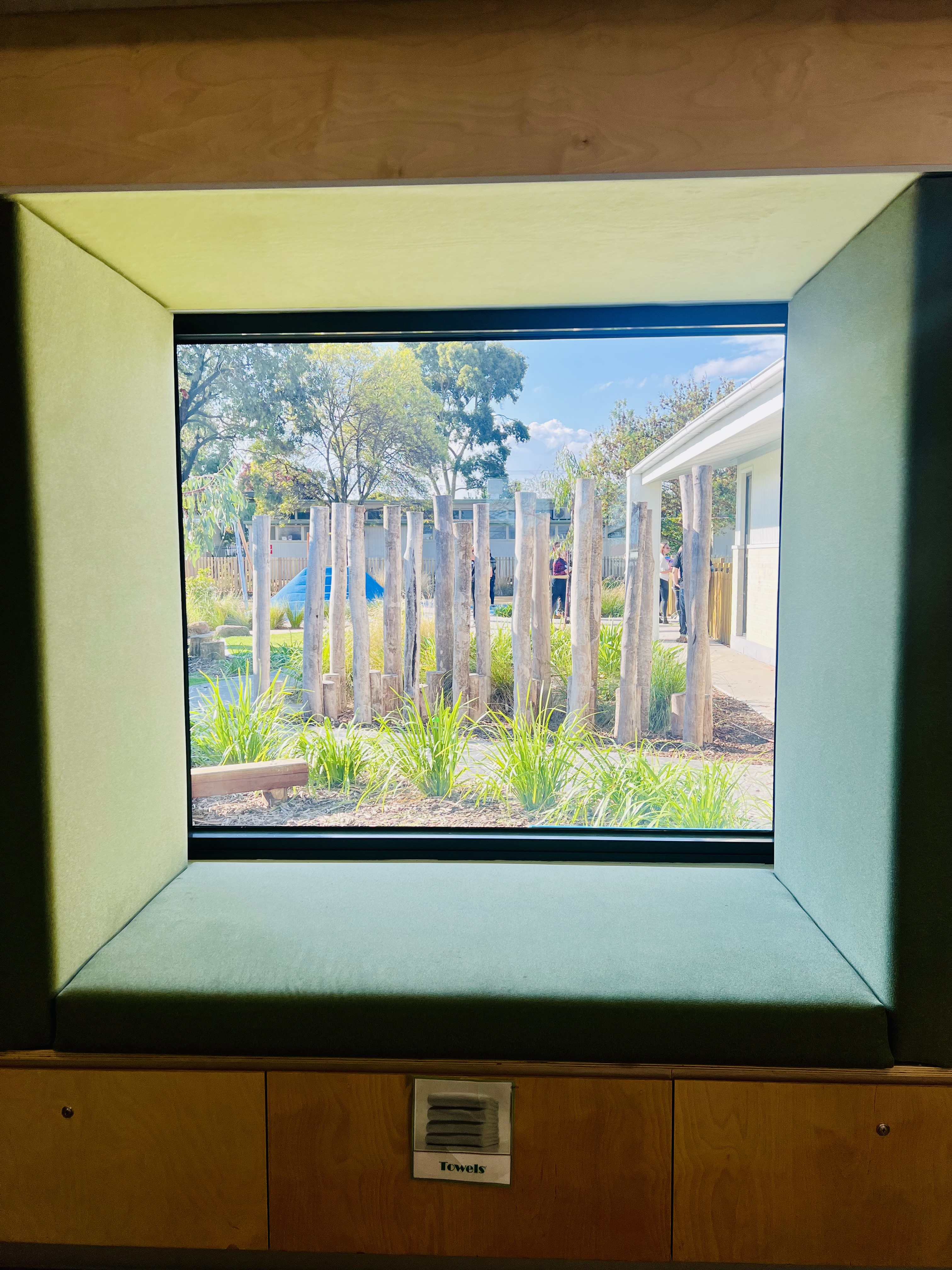
Open spaces with clear sightlines were also incorporated, which were important for students with autism who can easily become disoriented and overwhelmed in cluttered or confined spaces. The use of natural light and large windows helped students connect with the outside world, which was important for their overall well-being.
The school also had safe spaces for students to retreat to when they became overwhelmed. These quiet rooms or sensory rooms and sensory gardens were designed with soothing colours and planting to help students regulate.
The pedagogy at the autism school was impressive, with a focus on individualised instruction tailored to each student’s unique strengths and challenges. Teachers worked closely with students to create individualised learning plans and set achievable goals. Structured routines and predictable schedules were also used to help students feel more comfortable and less anxious.
Clear schedules and visual aids helped students understand what to expect throughout the day.
Teachers focused on building positive relationships with students and providing consistent praise and encouragement. Sensory integration was also a crucial part of the pedagogy, with teachers incorporating sensory activities and strategies into their lessons to help students regulate their emotions.
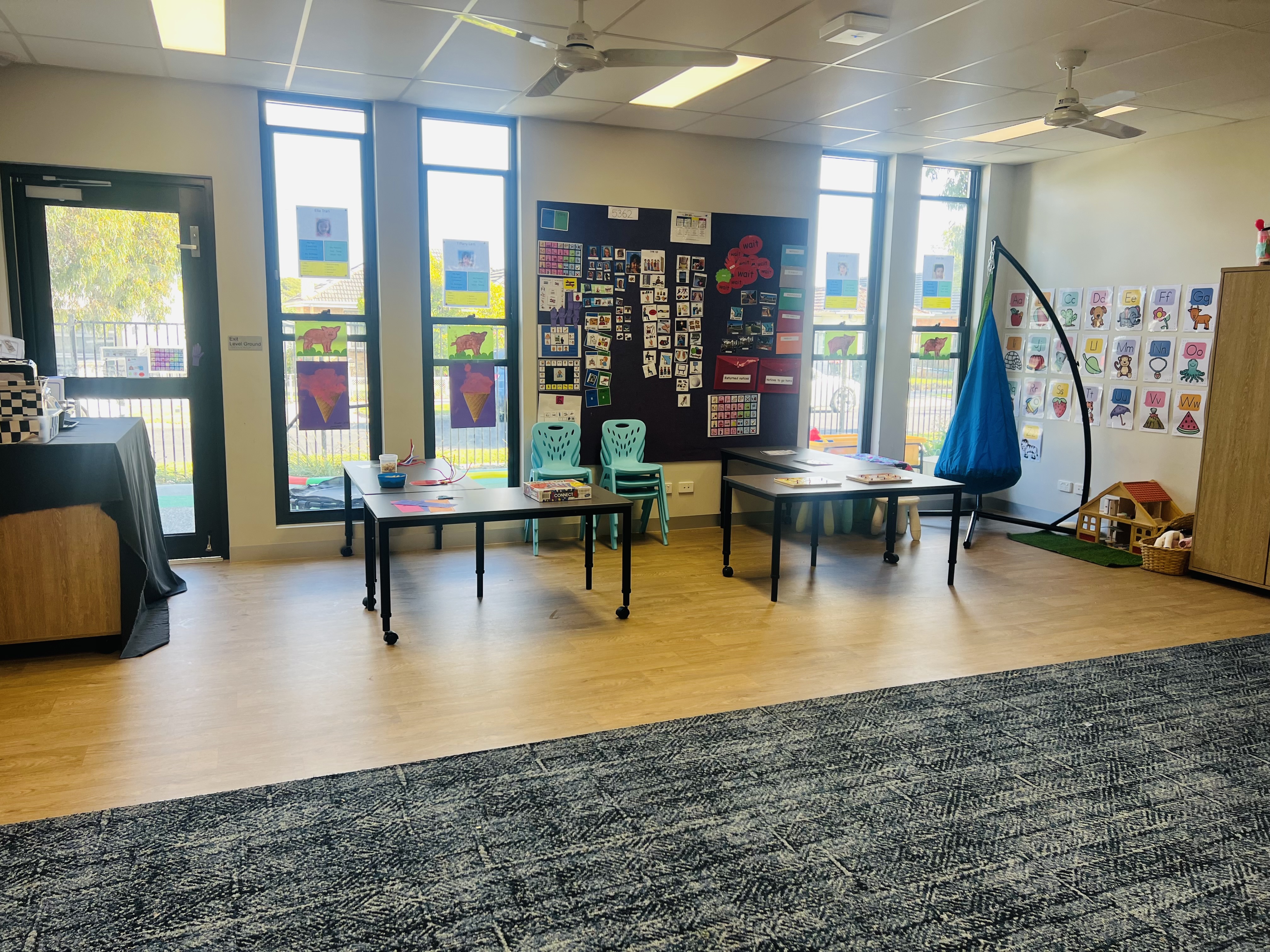

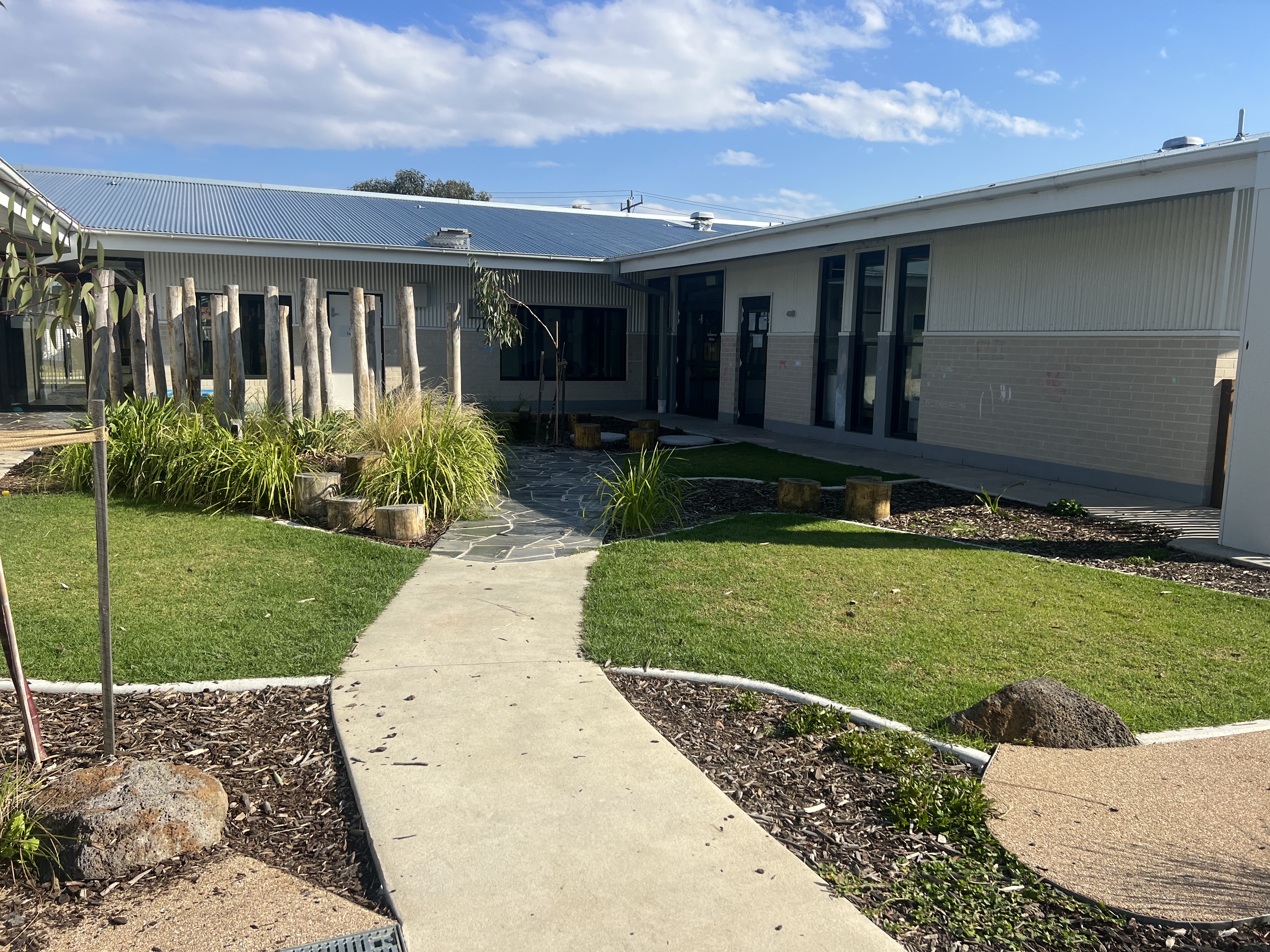
The comfort of the spaces seemed key, as it needed to offer low sensory load to allow students to engage in generalisation experiences.
In an autism school, generalisation is a crucial component of education, where students are encouraged to apply skills learned in one setting to other settings or situations. This intentional challenge promotes growth, as students with autism may have difficulty generalising skills and concepts to new environments. For instance, a student who has learned social skills in a structured classroom setting may find it challenging to apply those skills in unstructured social situations outside of the classroom.
To promote generalisation, teachers and therapists in autism schools use various strategies such as teaching skills in multiple settings, using real-life examples to help students understand how to apply skills in the real world, providing opportunities for practice in different contexts, and teaching problem-solving skills to help students apply what they have learned in new situations.
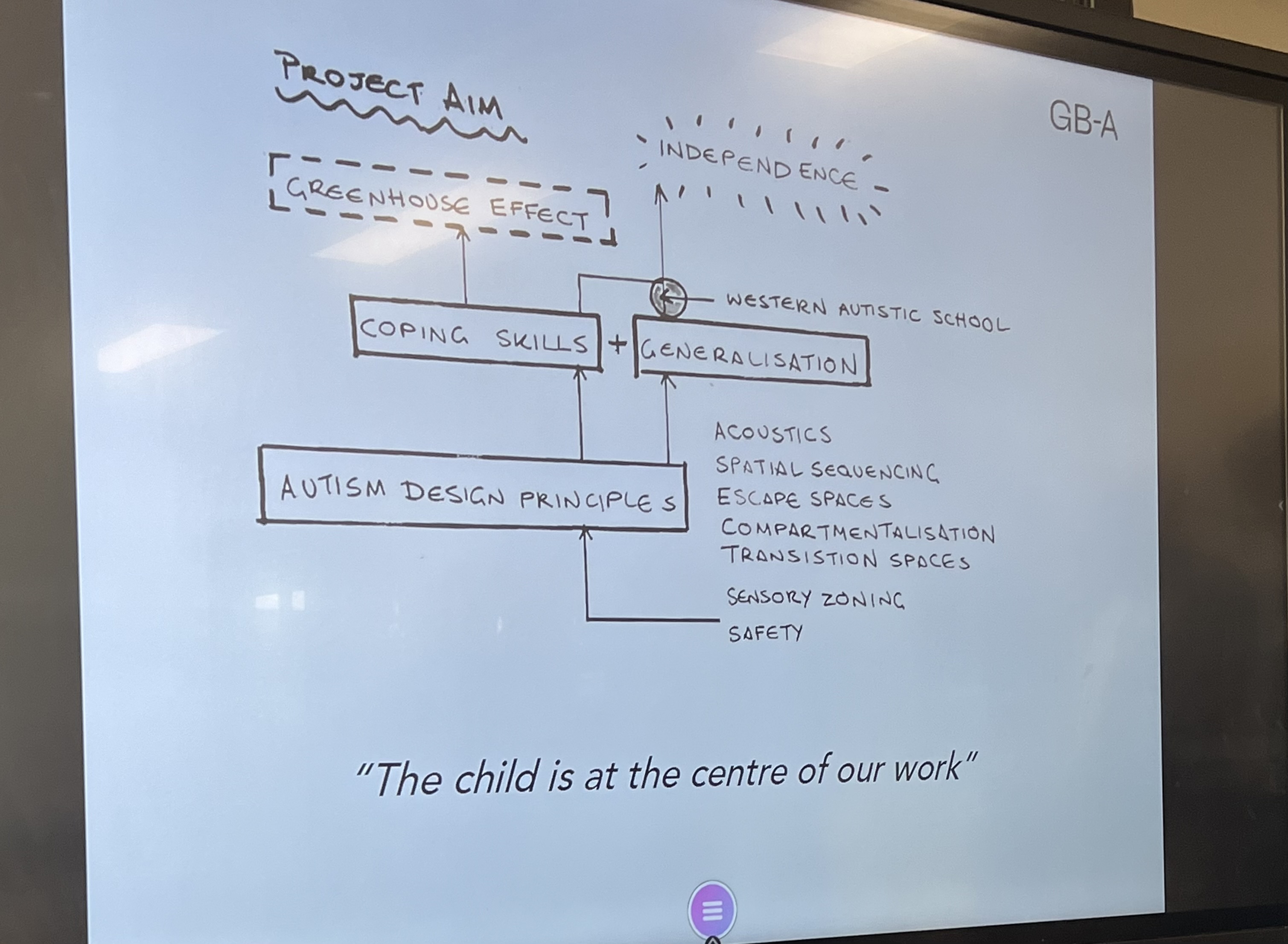
Niddrie School showed low 1:2 ratios, crucial for providing students with individualised attention and support. With lower ratios, teachers and therapists can better address the unique needs and challenges of each student, providing them with the necessary support and accommodations to achieve their full potential.

Niddrie School prioritises the needs of students with autism, with a focus on sensory-friendly spaces, visibility and safety. The pedagogy was tailored to each individual student, with an emphasis on individualised instruction, structured routines and sensory integration. I was impressed by the level of care and attention given to each student, and it was clear that the school was committed to providing the best possible learning environment for its students.
 FromtheForest
Leave a comment