As staff and students hold the mirror up to the period of remote learning one of the biggest cries heard around throughout not only our community, but the world, has been the pedagogical success of choice.
In a remote learning scenario student choice is an actual reality – the perceived ‘power’ of the teacher is far away beyond the screen – yet students were still learning. What and how they chose to engage and how they expressed their learning was key.
Evidence from student portfolios, access to Youtube videos and anecdotally from teachers indicated that students valued ‘real-life’ authentic tasks, rather than worksheets. They participated highly in tasks that allowed flexibility in expressing learning and they responded well when scaffolded with the skills they needed to goal set or manage their own learning. When the student agency was honoured, the learning was there.
Our school highly values student agency, and believe that we truly honour student voice. But still we reflected that something about the absolute autonomy of remote learning seemed to spur students to engage further in their learning.
I was excited to take part in a recent sector wide zoom, supporting Lutheran schools around Australia to leverage the changes brought upon by remote learning into best practice pedagogy. The Keynote was given by Dr Tyler Thigpen, Co-founder & Head of School at the Forest School, in Atlanta, Georgia.
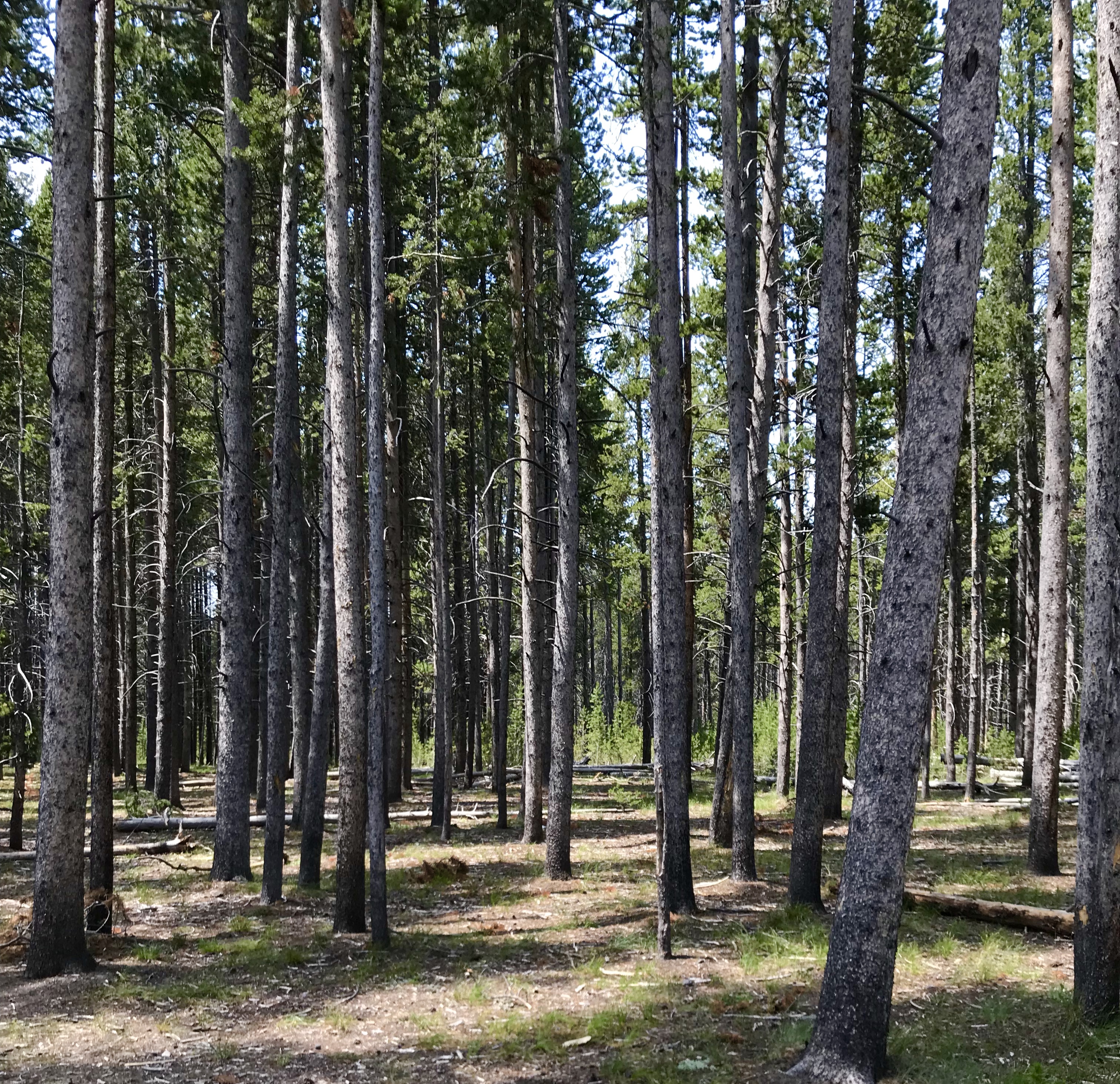
The Forest School is student-directed. Students are supported to learn not by teachers but by ‘Socratic Guides’. They learn in mixed-age studios, in a self-paced authentic problem based inquiry approach. Guides don’t lecture, but question and learning experiences are offered via e-learning. The learners set goals and manage their own learning scaffolded by guides.
The Forest School replaces the outdated model of tests with intrinsic motivation and developing the growth mindset of students. Learner-led Quests support students to develop skills and build knowledge authentically.
At the core of The Forest School is freedom within structure – allowing for all important flow. Flow is a state of total absorption in the task at hand; a merging of action and experience where the learner loses track of both time and self.
This demonstration of true, authentic choice is aspirational.
So as we return to school how can we create opportunities for authentic student choice in our learning spaces? Is it creating a more flexible daily structure to allow flow? As an inquiry school transdisciplinary approach is already a priority for us – but could we allow for more student choice within our inquiries? Do we continue to offer an online program as an in-class flipped leaning model to support students to access front loading just in time rather than just in case? Is it scaffolding students to manage their own learning through goal setting? Or focusing further on developing learning experiences surrounding real, authentic problems?
It’s an exciting time as we begin to write this next chapter in education, this time with the students and teachers in a partnership as the authors.
Find out more about The Forest School here https://www.theforest.school
 FromtheForest
Leave a comment